

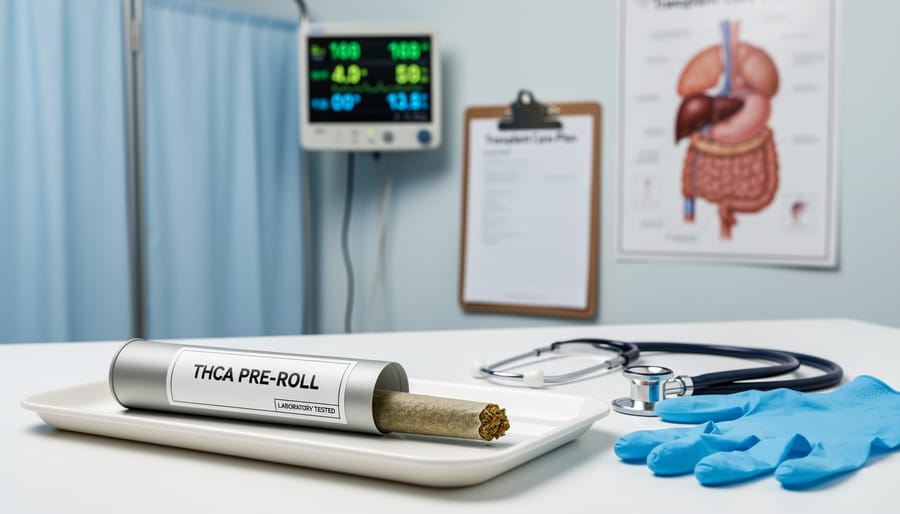
THCA prerolls should not be used by transplant patients without explicit approval from your transplant team. While certain cannabis strains are marketed for therapeutic benefits, transplant recipients face unique risks that overshadow potential advantages: immunosuppressive medications create vulnerabilities to infection, drug interactions can compromise organ function, and many transplant centers maintain strict substance-use policies that could affect your eligibility for care or future transplants.
This matters because transplant patients often search for natural ways to manage post-transplant symptoms like pain, nausea, or anxiety. The conversation around THCA (tetrahydrocannabinolic acid, the non-intoxicating precursor to THC) has grown considerably, with dispensaries now offering strain-specific products tailored to different health goals. But what works for the general population may be dangerous for someone whose immune system is deliberately suppressed to prevent organ rejection.
If you or someone you love has received a transplant, your first priority is protecting that gift of life. We understand the challenges you face daily. Managing medication side effects is exhausting, and the promise of relief through cannabis can feel appealing. That’s why this article lists specific strains patients ask about most often, alongside honest, evidence-based guidance about immunosuppression risks and medication interactions.
Our mission at Organ Donation Works has always been to support families through every stage of the transplant journey, just as we’ve done through initiatives like Kidney Month 2021. We’re here to provide the information you need while keeping your health and safety at the center of every conversation.
What Transplant Patients Need to Know About THCA

THCA is the raw, acidic precursor to THC found in fresh cannabis plants. Unlike THC, THCA doesn’t produce intoxicating effects until it’s heated through smoking, vaping, or cooking, a process called decarboxylation. Many patients explore THCA products because they’re curious about potential anti-inflammatory and neuroprotective properties without the psychoactive experience associated with traditional cannabis use.
For transplant recipients, however, this distinction matters less than you might think. While THCA itself won’t make you feel “high” in its raw form, pre-rolls are designed to be smoked, which converts THCA directly into psychoactive THC. This conversion happens the moment you light the pre-roll, meaning you’re still introducing THC into your system.
The immune system considerations can’t be overstated. Your anti-rejection medications deliberately suppress your immune response to protect your new organ, which means you’re more susceptible to lung infections from smoking anything. Inhaling smoke introduces pathogens and irritants directly into airways that can’t defend themselves as effectively as they once could.
Medication interactions present another serious concern. Early research suggests cannabinoids may affect how your body metabolizes immunosuppressants, potentially changing drug levels in your blood. Since maintaining precise immunosuppressant levels is essential to preventing rejection, any substance that interferes with this balance poses real risks.
Your transplant team knows your complete medical picture, including your specific immunosuppression protocol, organ function, and overall health status. No article, product label, or online resource can replace that individualized expertise. Before considering any THCA product, you need an honest conversation with the physicians managing your transplant care.
How We Selected These Strains
Selecting strains for this educational overview required careful consideration of factors specific to transplant patient health concerns, not personal preference or recreational popularity.
Our primary criterion focused on gentler cannabinoid profiles. We looked for strains with higher CBD content relative to THCA, as these typically produce less intoxicating effects and show promise for anti-inflammatory properties in emerging research. Transplant recipients managing complex medication regimens need predictable, well-documented cannabinoid ratios rather than high-potency options.
Terpene composition played an equally important role. We prioritized strains featuring terpenes like myrcene, pinene, and caryophyllene, which preliminary studies associate with anti-inflammatory and pain-relieving properties. These compounds appear frequently in discussions about symptom management for chronic conditions.
We also considered the real symptom challenges transplant patients commonly face during recovery: persistent pain, medication-induced nausea, disrupted sleep patterns, and muscle tension. The strains included here appear regularly in patient communities discussing these specific concerns.
Finally, we reviewed anecdotal reports from wellness forums and medical cannabis dispensaries to identify which strains transplant patients actually inquire about, reflecting genuine interest rather than marketing trends.
This selection process serves purely educational purposes. It does not constitute medical advice, treatment recommendations, or endorsement of cannabis use for transplant recipients. Every transplant patient’s situation differs dramatically based on which organ they received, their immunosuppression protocol, and their transplant center’s policies.
1. ACDC: The High-CBD, Low-THC Option
ACDC stands out in conversations about cannabinoid wellness largely because of what it doesn’t do: it won’t get you high. With a CBD-to-THC ratio often reaching 20:1, this strain offers minimal psychoactive impact even when THCA is present in its raw form. For transplant recipients cautiously exploring cannabinoid options, that characteristic matters. The goal isn’t intoxication; it’s managing symptoms like chronic pain, inflammation, or sleep disruption that commonly follow organ transplantation.
The strain’s terpene profile centers on myrcene and pinene, compounds associated with anti-inflammatory and potentially calming properties in early research. Myrcene contributes earthy, herbal notes and appears in studies examining muscle relaxation. Pinene, sharing its aromatic qualities with pine trees, has been investigated for respiratory benefits and mental clarity. These terpenes work alongside CBD in what researchers call the entourage effect, though solid clinical evidence in transplant populations remains limited.
Transplant patients drawn to ACDC typically cite its reputation for gentleness. Starting with a high-CBD strain means lower risk of unexpected psychoactive effects that could interfere with medications or daily function. However, sourcing becomes critical here. Pre-rolls vary wildly in quality, cannabinoid accuracy, and contamination risk. Immunosuppressed patients cannot afford mold, pesticides, or bacterial exposure that might lurk in poorly manufactured products.
Look for pre-rolls with third-party lab testing that confirms cannabinoid ratios and screens for contaminants. Reputable brands provide certificates of analysis showing exactly what you’re inhaling. Even with ACDC’s favorable profile, transplant recipients must discuss any cannabis use with their medical team first. Anti-rejection medications like tacrolimus interact unpredictably with cannabinoids, and your transplant center needs complete information to keep you safe.
2. Harlequin: Balanced Cannabinoid Profile

Harlequin has earned recognition in wellness communities for its relatively balanced cannabinoid profile, typically expressing a 5:2 THCA to CBD ratio in raw form. This sativa-dominant strain appeals to individuals seeking gentler effects than high-THC varieties, making it a frequent topic of discussion among patients exploring cannabinoid options for symptom management.
The strain’s terpene composition contributes to its distinctive character. Myrcene, the most abundant terpene in Harlequin, is associated with calming properties that may counterbalance the strain’s sativa genetics. Pinene adds an earthy, clarifying note and has been studied for potential anti-inflammatory effects. Caryophyllene, which interacts with CB2 receptors in the endocannabinoid system, rounds out the profile with possible therapeutic relevance for inflammation and discomfort.
Many who discuss Harlequin mention its sativa-leaning effects, which some find helpful for managing daytime symptoms without sedation. Transplant patients dealing with fatigue, nausea, or pain during recovery may be drawn to this profile. However, the sativa properties that support daytime functionality for some could potentially interfere with rest patterns or create unwanted stimulation in others.
For transplant recipients specifically, energy-level considerations become critical. Some immunosuppressant medications cause fatigue or drowsiness, while others may affect sleep cycles. Introducing any cannabinoid product, even one with balanced ratios, requires careful attention to how it might amplify or counteract these medication effects. Timing becomes particularly important when managing multiple daily medications that must maintain precise blood levels.
The variability in Harlequin’s cannabinoid ratios between growers and batches underscores why transplant patients need verified lab testing results before considering any pre-roll product. What one producer labels as Harlequin may differ significantly from another’s version.
3. Cannatonic: The Therapeutic Middle Ground
Cannatonic has earned attention in wellness circles for its middle-of-the-road approach to cannabinoid content, typically expressing THCA levels between 6-10% alongside CBD concentrations in a similar range. This hybrid strain, bred from combining MK Ultra and G13 Haze genetics, leans slightly indica but maintains balanced characteristics that many find appealing for daytime symptom management.
Transplant recipients frequently grapple with chronic pain and muscle tension during recovery. Surgical sites can remain sensitive for months, immunosuppressant medications like prednisone often cause muscle aches, and the physical stress of recovery creates persistent discomfort. Cannatonic appears in wellness discussions partly because users report gentler relief from these specific concerns compared to higher-THCA strains.
The strain’s terpene profile contributes to its reputation. Myrcene, typically the dominant terpene, carries associations with muscle relaxation and sedative properties. Beta-caryophyllene, another common component, interacts with CB2 receptors in ways researchers link to anti-inflammatory responses. Pinene rounds out the profile with potential bronchodilator effects, though this becomes complicated for transplant patients whose lungs may already be compromised by immunosuppression or surgical procedures.
Here’s the critical point for immunocompromised individuals: knowing the exact cannabinoid and terpene ratios isn’t just helpful, it’s essential. Your transplant medications create a delicate balance. Tacrolimus, cyclosporine, and other immunosuppressants have narrow therapeutic windows where too little risks rejection and too much causes toxicity. Pre-rolls without third-party lab verification leave you guessing about what you’re actually consuming, and that uncertainty is particularly dangerous when your immune system can’t tolerate unpredictable variables. Generic strain names don’t guarantee consistent chemistry between batches or producers.
4. Sour Tsunami: High-CBD Pioneer Strain

Sour Tsunami earned its place in cannabis history as one of the first strains deliberately bred for high CBD content, making it a frequent reference point when transplant patients explore cannabinoid options with minimal psychoactive effects. Developed in the early 2000s by crossing Sour Diesel with NYC Diesel, this strain typically delivers CBD levels around 10-13% while keeping THCA content below 1%. That ratio matters significantly for immunosuppressed individuals concerned about intoxication or medication interactions.
The strain’s reported anti-inflammatory properties stem partly from its terpene profile, which includes myrcene and pinene. Some patients discuss using high-CBD strains for chronic pain and muscle tension, both common after transplant surgery and during recovery periods. The gentler cannabinoid balance appeals to those seeking symptom relief without the cognitive changes that higher THCA strains might produce.
For transplant recipients considering any pre-roll product, quality control becomes critical. Sour Tsunami’s popularity has led to inconsistent labeling in the marketplace, with some products bearing the name but not the characteristic cannabinoid ratios. Third-party lab testing certificates should verify actual CBD and THCA percentages, confirm absence of pesticides and heavy metals, and screen for microbial contamination. Immunocompromised patients face heightened infection risks from contaminated cannabis products.
The historical significance of Sour Tsunami lies in opening conversations about non-intoxicating cannabinoid use, but that doesn’t translate to safety clearance for transplant patients. Even low-THCA strains require medical team approval. Anti-rejection medications metabolize through liver pathways that cannabinoids may affect, and smoking any substance introduces risks to transplanted organs, particularly lungs. What works for general wellness audiences requires entirely different evaluation for someone maintaining a transplanted organ.
5. Pennywise: Named for Balance, Known for Gentleness

Pennywise carries a name that suggests equilibrium, and its 1:1 CBD to THCA ratio reflects that balance. This indica-dominant strain has gained attention among wellness communities for its reportedly gentle effects, particularly for managing sleep disturbances and anxiety, two challenges many transplant recipients face during recovery and beyond.
The strain’s terpene profile typically includes myrcene, which contributes to its relaxing properties, along with pinene and caryophyllene. Some patients exploring cannabis report that balanced strains like Pennywise offer symptom relief without overwhelming psychoactive effects, though individual responses vary considerably.
For transplant patients, the critical consideration isn’t whether Pennywise seems gentler than high-THC strains, it’s how even moderate THCA levels might interact with the immunosuppressant medications that protect transplanted organs. Drugs like tacrolimus and cyclosporine are metabolized through the same liver pathways (specifically CYP3A4 enzymes) that process cannabinoids. This creates potential for serious drug interactions that could alter immunosuppressant blood levels, risking either organ rejection if levels drop too low or medication toxicity if they rise too high.
The indica properties that make this strain appealing for nighttime use also raise questions about timing relative to medication schedules and how smoking affects lung function and overall ability to keep organs healthy. Unlike lifestyle factors such as healthy weight loss or asking is tea good for organ health, which transplant teams generally support, cannabis use requires explicit medical discussion. Your transplant physician must know about any cannabinoid product you’re considering, regardless of its CBD:THC ratio or reputation for gentleness.
Critical Health Considerations for Transplant Recipients
Your transplanted organ represents an extraordinary gift, one that requires vigilant protection through lifelong immunosuppression. Before considering any THCA pre-roll product, transplant recipients must understand several critical health factors that fundamentally differ from the general population’s experience with cannabis.
Immunosuppression creates vulnerability. The medications that prevent organ rejection, tacrolimus, cyclosporine, mycophenolate, prednisone, intentionally weaken your immune system’s ability to fight infections. Smoking or inhaling any substance, including THCA pre-rolls, introduces particulate matter, potential molds, fungi, and bacteria directly into your respiratory system. For transplant recipients, especially those with lung or heart transplants, this exposure can trigger serious pulmonary infections that a suppressed immune system struggles to combat. Even kidney, liver, and pancreas recipients face heightened infection risks from inhaled contaminants.
Drug interactions pose real dangers. Cannabis compounds, including THCA and the THC it converts to when heated, are metabolized by the same liver enzyme systems (particularly CYP3A4) that process most immunosuppressants. This creates potential for unpredictable interactions that could raise or lower your anti-rejection medication levels, risking either organ rejection or medication toxicity. Your transplant pharmacologist monitors these levels precisely; introducing cannabis without medical oversight disrupts that careful balance.
Transplant center policies matter. Many programs include routine or random drug screening, and some consider active cannabis use a contraindication for transplant listing or continued care. THC metabolites can remain detectable for weeks. While THCA itself may not appear on standard screens, it converts to THC when smoked, creating positive results that could affect your transplant status or access to pain management protocols.
Before making any decisions, have an honest conversation with your transplant team. Consider asking:
- How might cannabis interact with my specific immunosuppressant regimen?
- What are the infection risks given my transplant type and current immune function?
- Does our center have policies about cannabis use that could affect my care?
- Are there safer alternatives for the symptoms I’m trying to manage?
- How would cannabis use be documented in my medical record?
Your transplant coordinator can connect you with specialists who understand both cannabinoid therapies and transplant medicine. They can review your complete medication list, assess your individual risk factors, and explore evidence-based organ care tips that don’t compromise your immunosuppressed status. Protecting your transplant requires transparency with your medical team, even when discussing topics that feel uncomfortable or stigmatized.
Questions Transplant Patients Are Asking
Transplant recipients navigating cannabis questions face unique concerns that deserve straightforward, honest answers. Here’s what you need to know about the most common questions patients ask their care teams.
Can transplant patients use cannabis at all?
The answer depends entirely on your transplant center’s policies, your specific medical situation, and your immunosuppressant regimen. Some programs prohibit any cannabis use while others evaluate case-by-case, but no center will recommend it without careful consideration of the risks to your transplanted organ.
Does THCA show up on medical screenings?
Most standard drug tests look for THC metabolites, which can appear after THCA converts to THC through heat or time. Transplant programs often conduct more comprehensive screenings, so assume any cannabis product could be detected.
How does smoking affect transplanted organs differently than other methods?
Smoking anything, including pre-rolls, introduces particulates and irritants directly to your lungs, which is especially risky for lung transplant recipients and concerning for all transplant patients due to infection vulnerability. Inhalation methods bypass your liver’s filtering capacity, which matters when you’re on medications metabolized there.
Will cannabis use affect my transplant waiting list status?
Many transplant centers require cannabis abstinence as a listing condition, and positive tests can result in temporary or permanent removal from the waiting list. Policies vary significantly between programs, making upfront conversation with your team essential.
Research on cannabis and transplant outcomes remains limited, with most studies focusing on post-transplant complications rather than specific cannabinoid effects. What we do know is that immunosuppressants like tacrolimus and cyclosporine can interact unpredictably with various cannabis compounds, potentially increasing toxicity or reducing effectiveness. Your transplant pharmacist needs to know about any substance you’re considering because protecting your anti-rejection medication regimen isn’t negotiable.
The honest truth is that individual variation matters enormously. Your specific organ, how long ago you were transplanted, your current immune function, and your medication protocol all influence risk differently than another patient’s situation.
The conversation around THCA pre-roll strains reflects a broader interest in wellness options, but for transplant recipients, this discussion must always be grounded in medical reality. Your transplanted organ represents not just advanced medical science, but also an extraordinary gift from a donor and their family. Protecting that gift requires careful, evidence-based decisions made in partnership with your healthcare team.
While we’ve explored various strains and their characteristics, no potential benefit outweighs the risks of making cannabis-related choices without your transplant team’s involvement. Your immunosuppression regimen, organ-specific considerations, and individual health status create a unique medical picture that only your doctors fully understand. What might be safe for someone else could pose serious risks to your transplant success.
Life after transplant is undeniably complex. You’re managing medications, monitoring for rejection, navigating side effects, and working to reclaim your quality of life. It’s natural to explore options that might help with pain, sleep, or anxiety. But your transplant team isn’t there to judge or restrict you arbitrarily. They’re your partners in protecting your health and your transplanted organ’s function.
Before considering any THCA product, have an honest conversation with your transplant coordinator or physician. Together, you can make informed decisions that honor both your wellness goals and your transplant’s long-term success.